Time for a New Furnace?
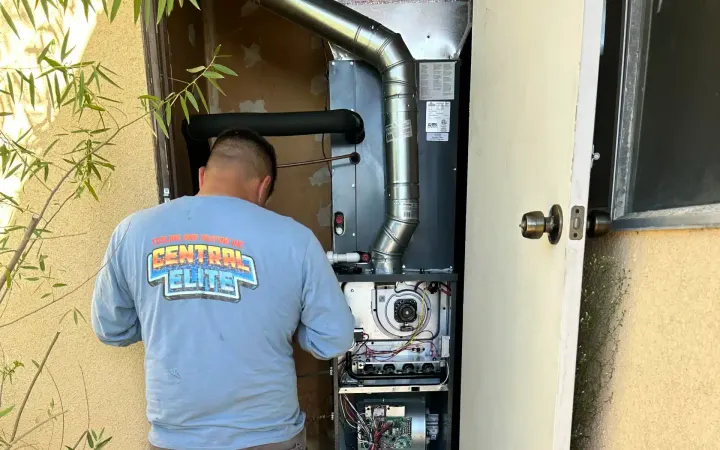
These warning signs mean repair costs will continue to climb. A new furnace often pays for itself within a few years through energy savings and fewer breakdowns.
Over 15–20 Years Old
Furnaces in the Central Valley average 15–20 years with proper maintenance. Beyond that, efficiency drops significantly and failure risk increases every year.
Rising Energy Bills
Modern 96–98% AFUE furnaces can use 30–50% less gas than a 10-year-old 78% AFUE system. If your heating bills keep climbing, efficiency is likely the culprit.
Frequent Breakdowns
Two or more repairs in the past two years is a clear signal. At that point you're paying to delay an inevitable replacement — often at the worst possible time.
Cracked Heat Exchanger
A cracked heat exchanger creates a carbon monoxide risk and cannot be safely repaired. This is a mandatory replacement — not a judgment call.
Uneven Heating
Some rooms comfortable, others cold? An aging furnace often loses the capacity to maintain consistent temperatures as internal components wear.
Repair Cost > 50% of Replacement
If the repair estimate exceeds half the cost of a comparable new system, replacement almost always makes better financial sense — especially on older equipment.